
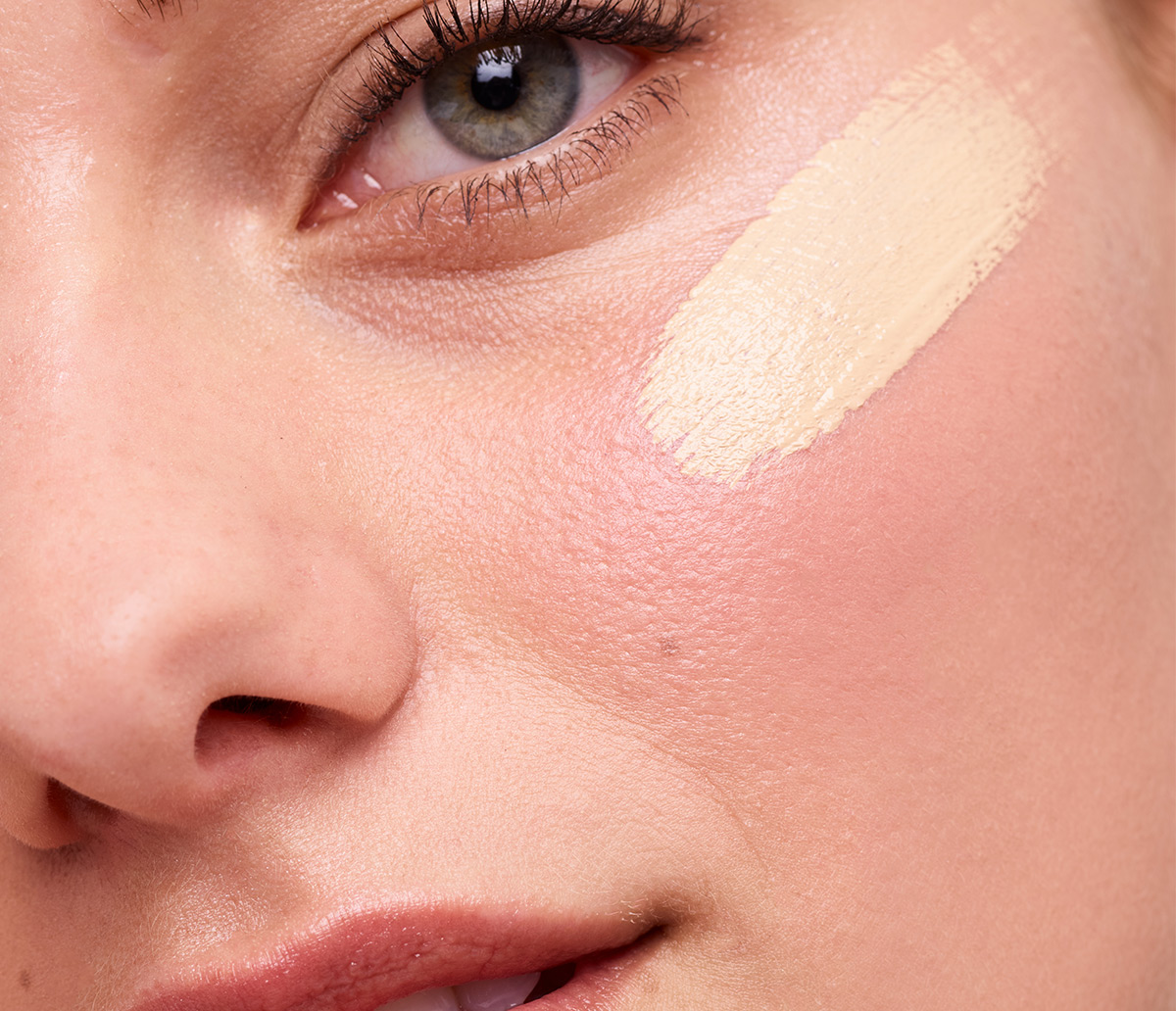
A COMPLETE GUIDE TO CHOOSING YOUR FOUNDATION BASED ON TEXTURE, COVERAGE, FINISH, YOUR SKIN TYPE AND COMPLEXION.
We consider foundation the final step in a skincare routine, because organic foundations are true skincare treatments. They are packed with active ingredients to hydrate, smooth, nourish, soothe, protect, and illuminate the skin…
Many of you are searching for the perfect natural foundation. One that will satisfy you as much as the ones you wore before switching to organic products. Whether you prefer lightweight textures to even out your complexion or more full-coverage formulas to conceal imperfections, you'll find in this guide a complete solution to choosing your foundation based on texture, coverage, finish, your skin type, and your skin tone.
TEXTURES
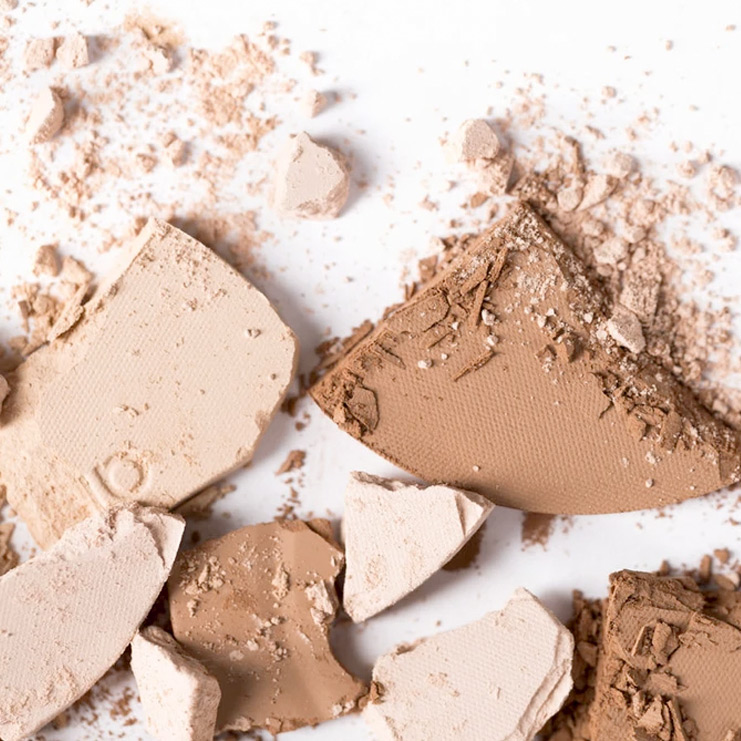
POWDER
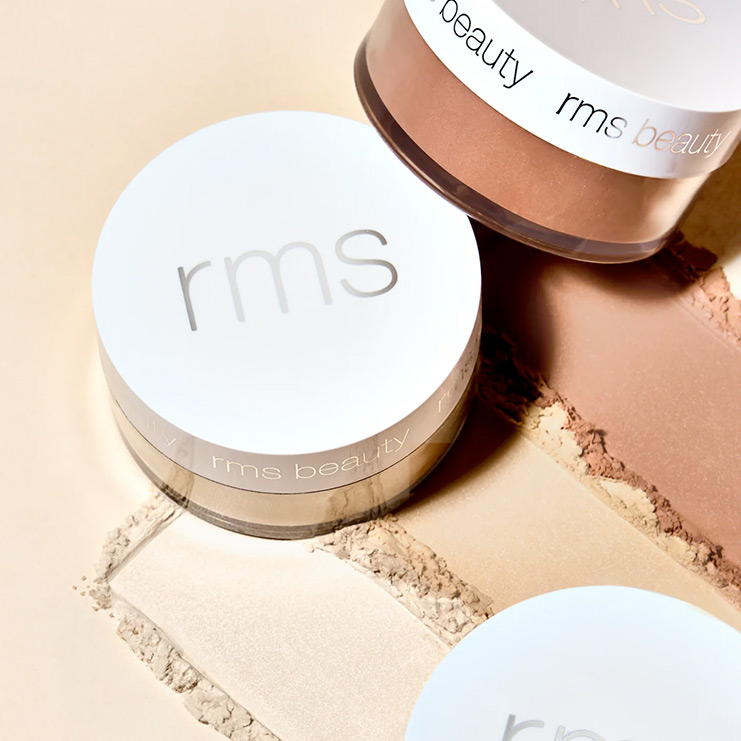
This powder is suitable for all skin types. It is particularly recommended for oily and blemish-prone skin because the powder absorbs excess oil and the minerals soothe inflammation. We advise thoroughly moisturizing dry and mature skin before application to prevent the powder from settling into fine lines.
You can also mix loose powder into your day cream or SPF to tint them and create your own cream foundation. People who don't like wearing cream or thick products on their skin will appreciate powder foundation.
At ALIMA PURE , the Compact Powder Foundation offers light coverage, while the Satin Matte Mineral Foundation provides buildable medium coverage. It should be applied with a thick, dense brush using circular motions to warm the pigments. The more the pigments warm, the more pronounced the coverage will be.
CREAM
Cream foundations offer the most coverage and hydration. Dry and mature skin benefit most from these properties. Highly concentrated, a tiny amount is enough for the entire face. They can also be used solely as a concealer for dark circles or blemishes.
You can apply them with your fingers for a natural finish or with a brush for a more polished look. All skin types can use them occasionally for important events where flawless skin is essential.
SERUM
These are oil-based serums mixed with pigments. They are suitable for all skin types, provided you adjust your moisturizer accordingly. Mature and dry skin can apply a very moisturizing cream or even an oil-based serum underneath. Combination skin can use just a light cream/gel, and oily skin only a water-based serum.
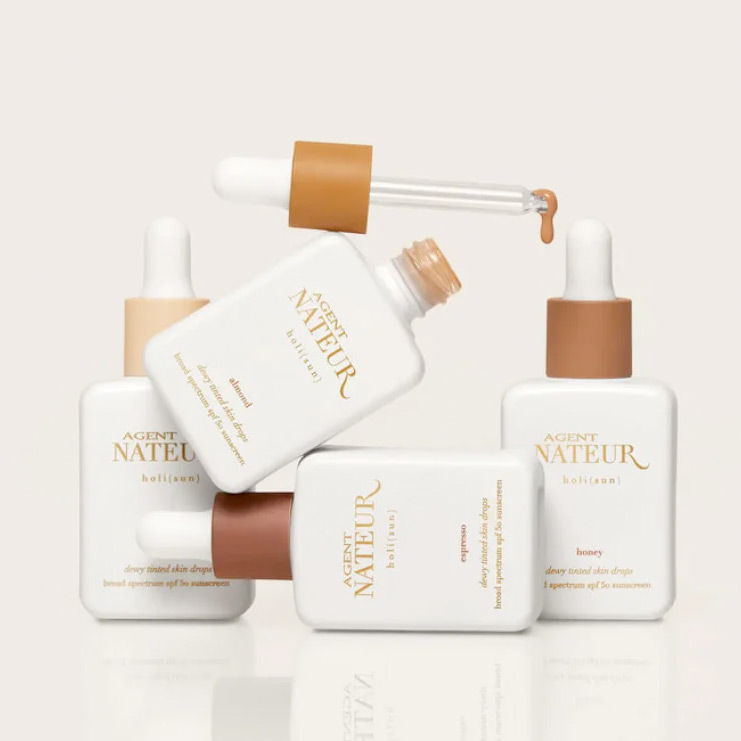
This revolutionary serum transforms into a powdery foundation on the skin.
A tinted serum containing SPF 50+! It protects the skin from UV rays and oxidation. It soothes, hydrates, and offers light, buildable coverage.
BB OR CC CREAM
Multifunctional, they also protect the skin against UV rays. They're a great choice for everyday use. If you need more coverage in certain areas, you can add a concealer.
A moisturizer, sunscreen, and foundation all in one!
A tinted treatment that self-adapts to the skin tone to offer a beautiful natural coverage and protects the skin thanks to its SPF50.
A tinted moisturizer that offers SPF50 protection. Its light and airy coverage perfectly evens out the complexion.
A unique formula to fight acne and signs of aging with SPF30 protection.
COVERAGE
LIGHT COVERAGE
It evens out the complexion but doesn't conceal imperfections (redness, blemishes, spots, scars). It's ideal for skin that doesn't have any particular issues, that simply needs to be unified and enhanced. A light-coverage foundation can be complemented with a concealer to camouflage dark circles and uneven skin tone.
A pressed mineral powder with a velvety, matte finish in a refillable case.
A tinted serum containing SPF 50+! It protects the skin from UV rays and oxidation. It soothes, hydrates, and offers light, buildable coverage.
An ideal SPF10 for daily use. It fights imperfections and signs of aging thanks to its aloe vera formula.
AVERAGE COVERAGE
It will provide more coverage than light foundations and can conceal minor imperfections. Medium-coverage foundations are generally very buildable and can be light if a small amount of product is applied, or much more intense.
TOTAL COVERAGE
Full-coverage foundations are simply more pigmented than others. You don't need to apply a large amount to achieve complete coverage. They are especially popular with people who have blemishes, imperfections, or for special occasions. Full coverage doesn't mean a heavy texture and a mask-like effect; our foundations have an opaque yet natural finish.
SKIN TYPE
NORMAL SKIN
You have a wide range of foundations to choose from. Your normal skin allows you to apply all textures. It's simply a matter of personal preference! Often, applying a tinted moisturizer or a light foundation is enough to give you a healthy glow and protect your skin from the sun.
DRY SKIN
Opt for a creamy foundation containing hydrating ingredients such as hyaluronic acid or plant oils. You can also choose a tinted moisturizer. Avoid compact and powder textures, which will dry out the skin.
SENSITIVE SKIN
A cream foundation rich in moisturizing ingredients is preferred, and ideally one with SPF to protect against UV-related damage:
COMBINATION SKIN
We prefer fluid and light textures; we can use a liquid or cream foundation and then mattify oily areas with a powder:
OILY SKIN
Choose a mattifying foundation that will regulate sebum. A light, fluid texture or a compact powder foundation is ideal. Opt for a mineral foundation and avoid heavy cream foundations that will suffocate the skin.
SKIN WITH IMPERFECTIONS
Choose a non-comedogenic foundation that will both care for and enhance your skin. Mineral foundation is a good compromise because it mattifies the skin while also treating it. Its organic, natural, and non-comedogenic formula makes it the perfect foundation for blemish-prone skin. It provides good coverage but feels lightweight and doesn't suffocate already fragile skin.
MATURE SKIN
Opt for a light, hydrating foundation. Avoid heavy foundations that accentuate wrinkles and fine lines. Instead, choose a liquid foundation that will smooth and nourish the skin without settling into lines. Also, choose a foundation containing anti-aging ingredients so that, in addition to enhancing your complexion, it provides benefits to your skin. If you're hesitating between two shades, it's best to choose the lighter one to avoid a mask-like effect.
THE RIGHT SHADE
First, you'll need to determine your undertone to find the ideal foundation shade. Here are a few tips to help you:
WARM TONES (Golden, Apricot, Olive)
If the veins on the inside of your wrist are more greenish. If you tan easily. If gold suits your complexion better.
NEUTRAL TONES (Without cool or warm undertones)
If the veins on the inside of your wrist are green and blue. If you tend to redden easily in the sun but your tan deepens over time.
COOL TONES (Rosé)
If the veins on the inside of your wrist are more purple or blue. If you tend to get sunburned and don't tan easily. If silver suits your complexion better.
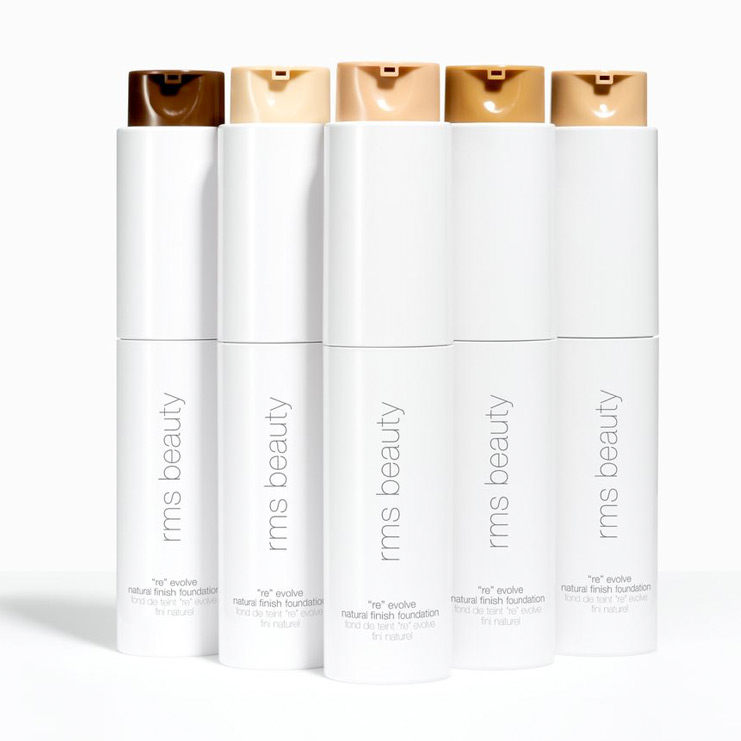
Once you've determined your undertone, choose the shade closest to your neck color to ensure a seamless blend with your body. If you're hesitating between two shades, choose the lighter one, as a foundation that's too dark tends to make you look older.
We often switch our foundation color between winter and summer to avoid having a complexion that's too dark in winter and too light in summer. You can also add a drop of bronzer to your foundation to match your tan. Similarly, you can add a drop of highlighter to your foundation to brighten your complexion.
TIPS FOR APPLYING YOUR FOUNDATION PROPERLY
Finding the right foundation is great, but for optimal results, it's important to properly prepare your skin to receive the products. It's essential that your skin is clean and moisturized before applying foundation.
Every morning, thoroughly cleanse your skin to remove residues from overnight skincare and dead skin cells accumulated during your sleep.
Once your skin is cleansed, apply a toner followed by your chosen serum. Next, apply a day cream, ideally one with SPF—this is crucial if your foundation doesn't contain any! You can also apply a makeup primer if you want your makeup to last longer. A primer will blur pores, facilitate foundation application, and create a protective film on the skin.
- "Re" Evolve Primer - RMS Beauty
- Mineral Drops - Transparent Sunscreen SPF 50 - Niacinamide + Green Tea - ODACITE
Once your foundation is applied, you can complete your makeup with concealer to camouflage dark circles, blemishes, or imperfections. Finally, finish with a setting powder for a shine-free finish and better foundation wear.
WHY CHOOSE AN ORGANIC FOUNDATION
The chemical and synthetic composition of so-called "classic" foundations is cause for alarm! They contain allergenic, irritating, and toxic ingredients that disrupt the hormonal system and can worsen skin problems. Perfumes, preservatives, mineral oils derived from petroleum, cleansing agents… it's high time to eliminate them from your makeup routine!