
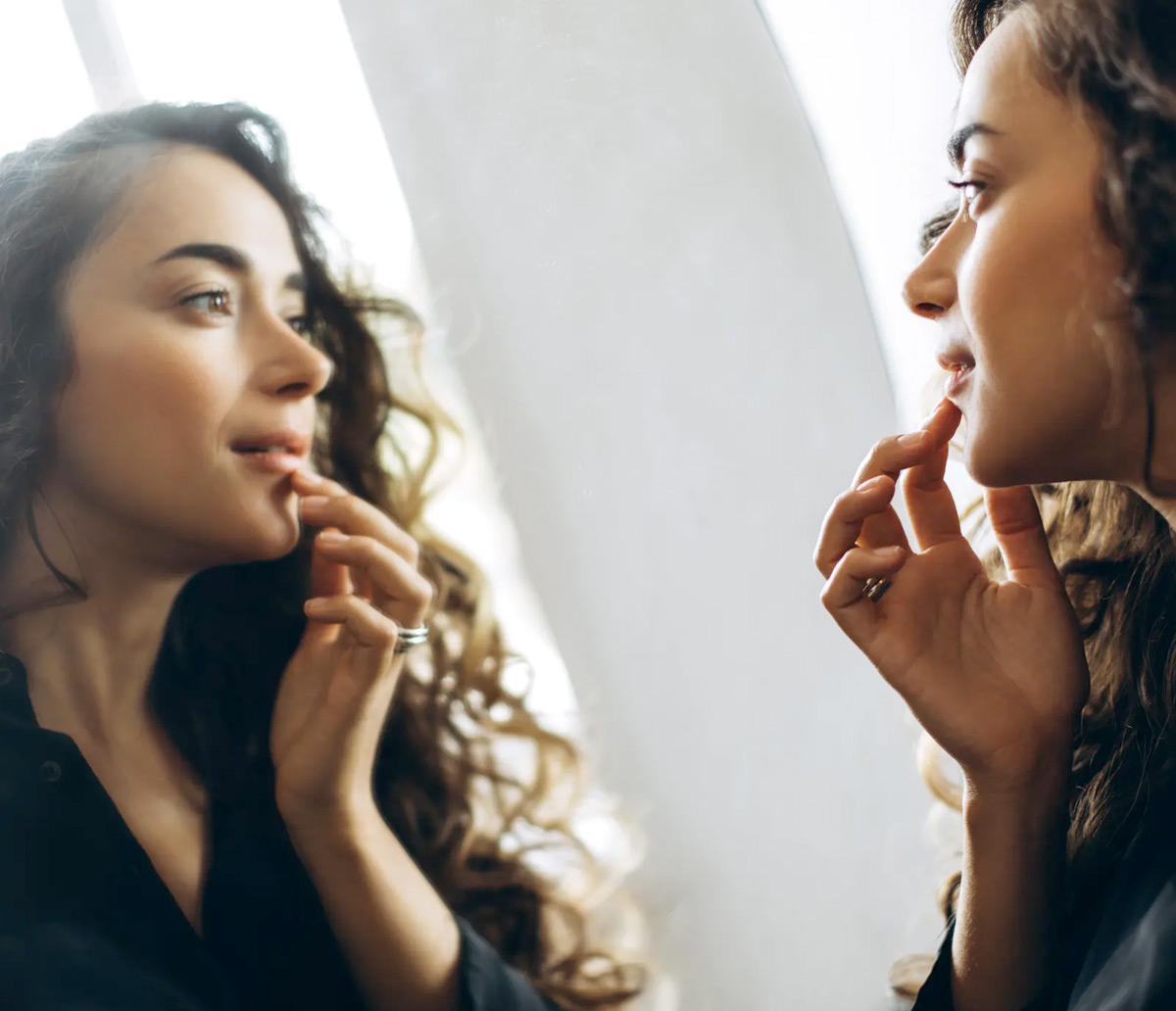
Preventing and eradicating acne requires taking into account several aspects of your routine, lifestyle, and mindset...
“I suffered from acne for a long time, a situation I found very difficult. I know what it's like to not want to go out and to be ashamed of your blemished face. Thanks to my years of experience in the field of holistic beauty, I have been able to identify 5 factors linked to the development of adult acne. If you commit to treating these 5 factors together, it will significantly prevent the appearance of your pimples (…)”
WHAT ARE THE DIFFERENT CAUSES OF ACNE?
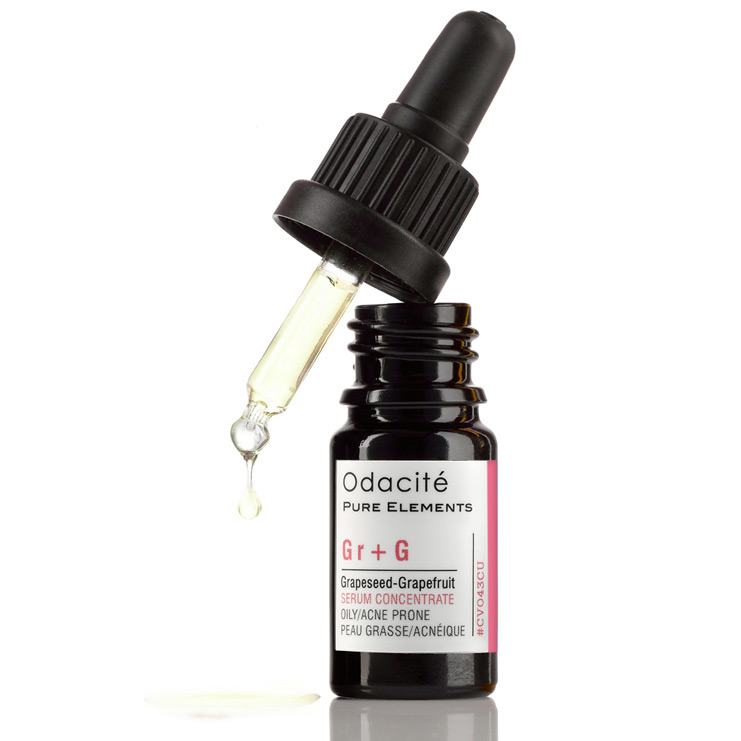
A LINOLEIC ACID DEFICIENCY
Linoleic acid levels are often low in people with acne. Its deficiency causes thick, sticky sebum that clogs pores. Skincare products rich in linoleic acid will help balance the natural consistency of sebum.
STRESS AND LACK OF SLEEP
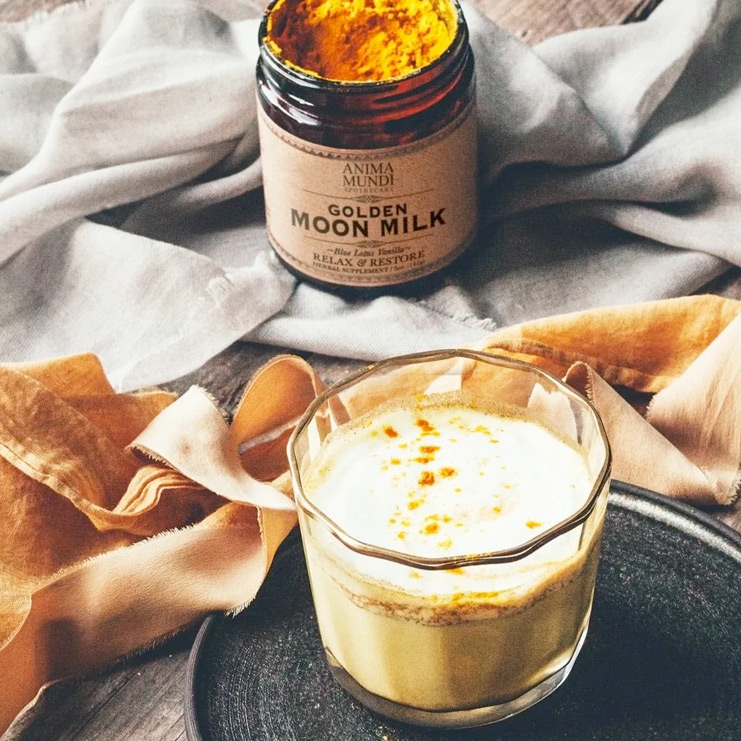
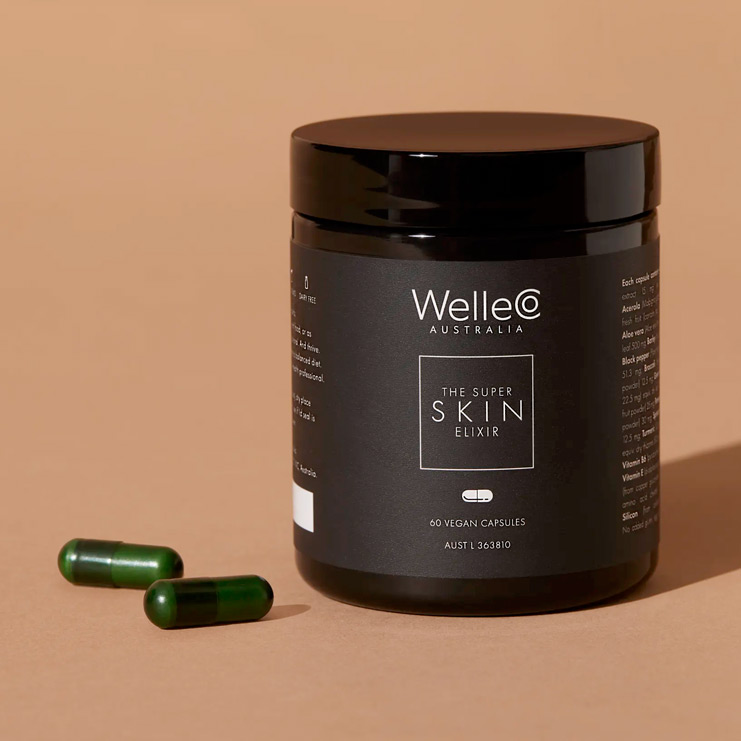
The stress hormone cortisol is partly responsible for skin problems like acne. It increases sebum production and hinders proper cell renewal; dead skin cells clog pores, leading to breakouts. Take time for yourself by creating a simple evening ritual tailored to your skin's needs. Enjoy using suitable products and relax with a golden milk containing adaptogens. Ashwagandha is a soothing herb for emotional stress and also strengthens the immune system. Reishi is a mushroom widely used to reduce anxiety.
A DECLINE IN IMMUNITY AND AN ALTERED MICROBIOTA
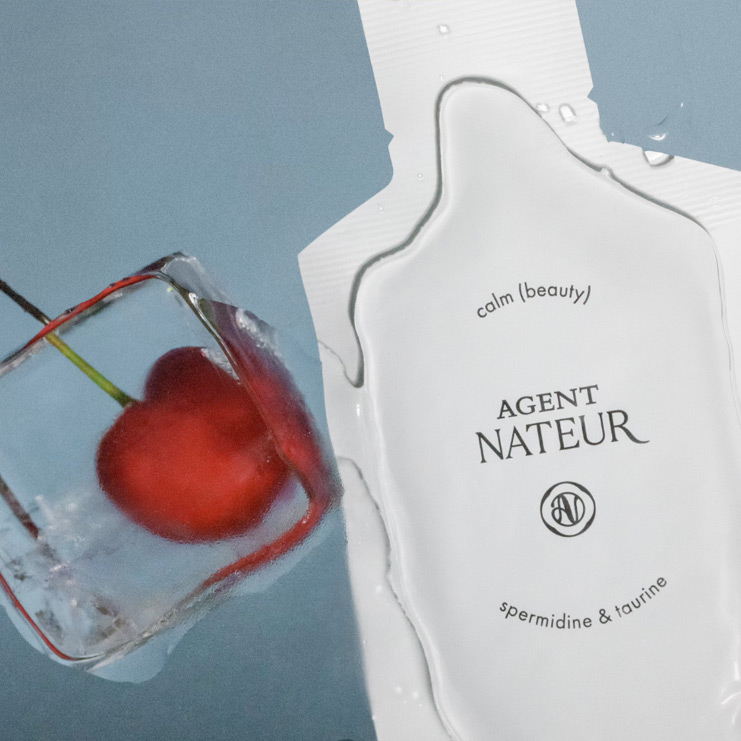
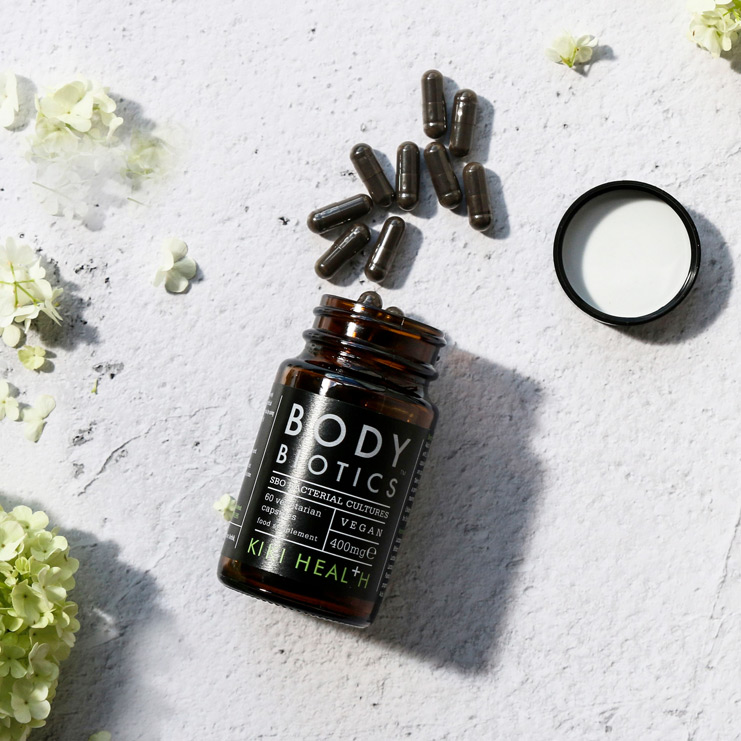
The gut microbiota is composed primarily of bacteria beneficial to our health. It is linked to the condition of our skin. Antibiotics, birth control pills... these factors can weaken the good bacteria, leaving room for an overabundance of bad bacteria and creating inflammation. By balancing the microbiota, inflammatory processes can significantly reduce acne. Similarly, a weakened immune system makes our body less able to defend itself against bacteria.
A DAMAGED SKIN BARRIER
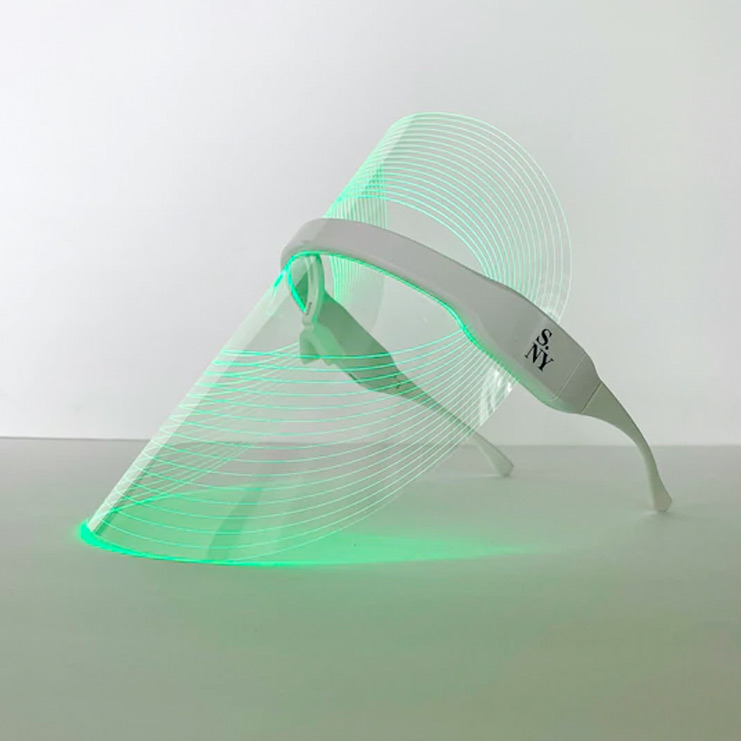
By strengthening our skin barrier, the skin will become strong enough not only to fight breakouts but also to help prevent them. Therefore, avoid overly abrasive exfoliations or peels so as not to disrupt the skin's pH balance, which is essential for fighting bacteria. It's tempting to overdo it, but this is a bad idea that could worsen acne and could sensitize and irritate the skin. The skin needs to be protected and pampered with anti-inflammatory treatments. At home, you can use a light therapy mask to kill the bacteria responsible for acne. Very easy to use, it treats the entire face without side effects. It's painless, heat-free, and you can go about your daily activities during the treatment. Combined with a suitable skincare routine, it significantly increases the effectiveness of your treatments. 10 minutes a day, 5 days a week is enough to get rid of these nasty bacteria.
HORMONES
When hormonal balance is disrupted (stopping contraception, pregnancy, menopause, etc.), breakouts can occur, usually around the mouth, chin, and jawline. Furthermore, fluctuations in hormone levels just before and during menstruation can stimulate the sebaceous glands to produce excess sebum, leading to monthly breakouts. Hormonal acne even affects women during menopause, perimenopause, and postmenopause.
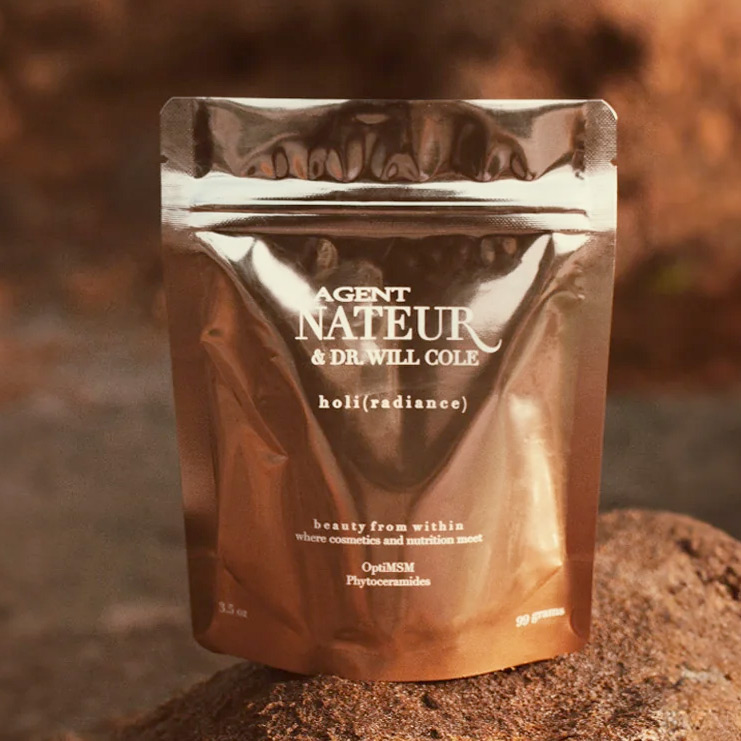
HOW TO GET RID OF A PIMPLE
Prevention is our primary concern, but how do we get rid of an existing pimple? Let's start by learning to distinguish between the different types of pimples:
PAPULE: A red, inflamed bump under the skin
PUSTULE: A red pimple containing pus.
BLACKHEAD: Sebum oxidizes in the pores, causing a blackhead, usually located on the T-zone.
To get rid of a pimple as quickly as possible, the key is not to touch it until it's ripe, that is, until it's still a pustule. When pores are infected, the natural process is to draw the infection to the surface of the skin to expel it, thus transforming the papule into a pustule. Only once the pimple has reached the pustule stage, is fully ripe, and can be easily popped, can you remove it (with clean hands and a tissue) and immediately apply a drying solution to fight bacteria and accelerate healing.
Forget all your preconceived notions about using drying and astringent solutions to get rid of pimples. It's quite the opposite! You need to pamper your skin, soothe it, and take preventative measures. By rethinking your approach, you can eradicate your acne.