
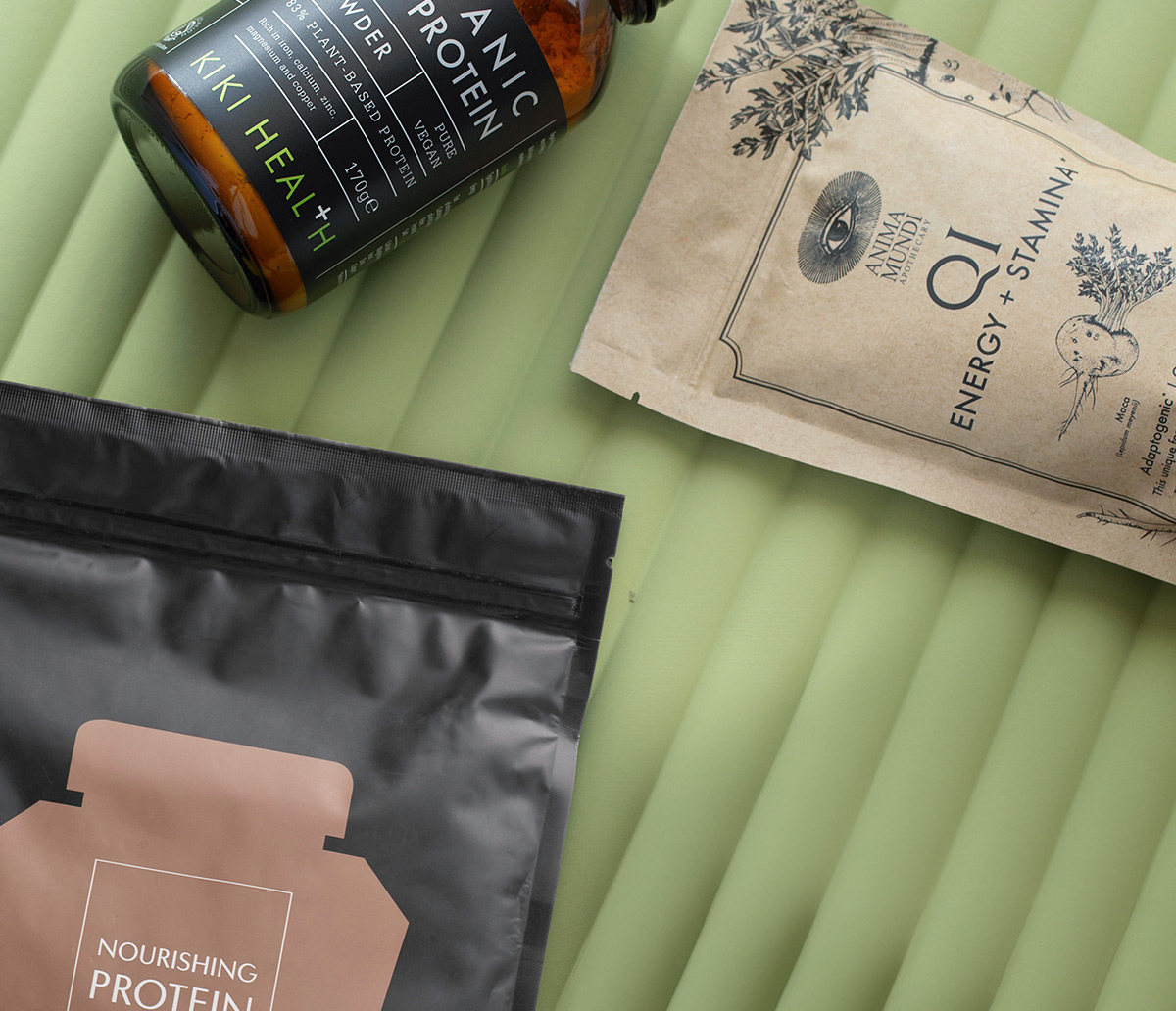
They are necessary at all ages for the growth, development, and repair of tissues.
Proteins play a fundamental role in the body: they are essential components of several tissues in the human body, including muscles, skin, hair, nails, bones… They are necessary at all ages for the growth, development and repair of tissues.
Proteins are composed of a combination of 20 amino acids. The body produces 11 of them, which means that the other 9 (histidine, isoleucine, leucine, lysine, methionine, phenylalanine, threonine, tryptophan and valine), considered "essential", must be obtained from food to ensure the proper building of muscles and other tissues.
There are two types of protein: animal protein and plant protein, derived from plants or other non-animal plant matter. Plant protein is a source of energy and contains, among other things, vitamin B, antioxidants, micronutrients (vitamins, minerals, trace elements, antioxidants), fiber, and a low glycemic index.
WHY CHOOSE PLANT-BASED PROTEINS
FOR IMMUNE SYSTEM SUPPORT:
Proteins play a crucial role in defending against infections and diseases, as they are involved in the production of antibodies and other components of the immune system.
FOR HORMONAL REGULATION:
Many hormones essential for regulating bodily functions are proteins or depend on the presence of proteins for their function.
FOR SATENESS AND WEIGHT MANAGEMENT:
Proteins tend to promote satiety, which can help control appetite and avoid cravings.
TO PREVENT MUSCLE LOSS:
From the age of 40, muscle mass decreases, and proteins are essential for preserving this muscle mass.
FOR GOOD DIGESTION:
Plant-based proteins, particularly those from legumes, are rich in fiber, which promotes the proper functioning of the digestive system.
THE DIFFERENT TYPES OF PLANT PROTEINS
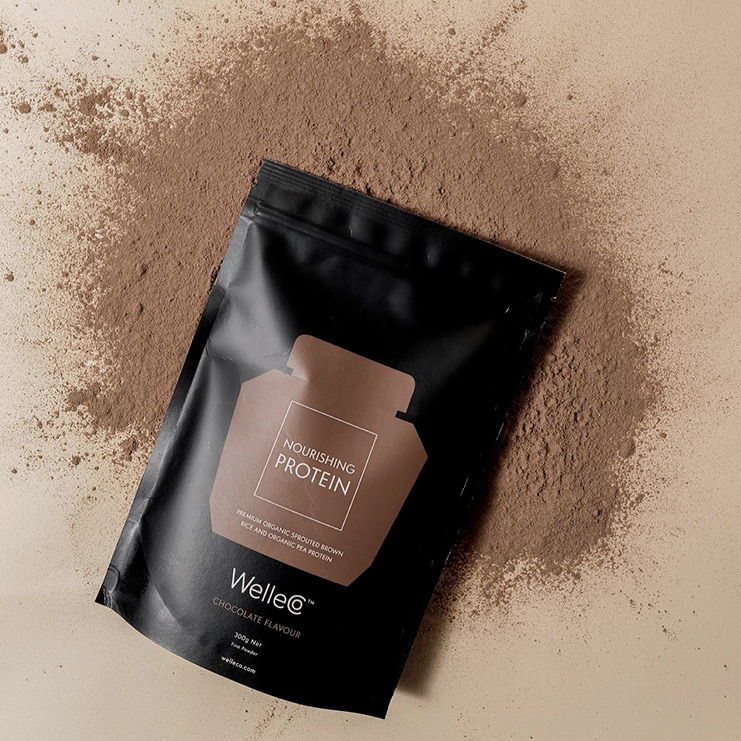
PEAS - (83g per 100g)
Pea protein is made from yellow peas, not green peas. Yellow peas are an excellent source of plant-based protein, nutrients, and amino acids necessary for growth, tissue repair, and proper bodily function. They are particularly rich in arginine, which plays a role in dilating blood vessels and regulating blood pressure. They are especially beneficial for athletes and those doing bodybuilding. Low in fat and highly satiating, they can help control appetite.
RICE - (80g per 100g)
Its advantage lies in its ease of digestion. Rice protein is every bit as good as animal protein: the amino acids it contains provide energy to power through workouts and help repair muscle fibers. It is also ideal for weight loss because it is very low in calories and promotes fat burning.
CHIA - (22g per 100g)
Despite their tiny size, chia seeds are among the most nutritious foods on the planet. They are packed with fiber, protein, omega-3 fatty acids, and various micronutrients that contribute to digestive and intestinal health and help strengthen the immune system.
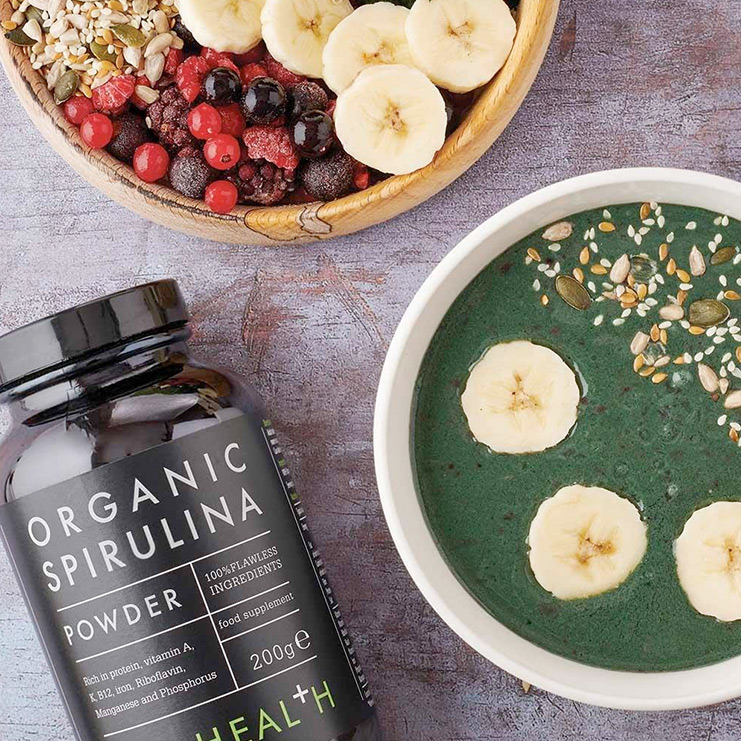
SPIRULINA - (66g per 100g)
Spirulina is a microalga known for its richness in vitamins, minerals (especially iron), trace elements, and other antioxidants. This alga is also an excellent source of complete protein, meaning it contains all the essential amino acids. Easy to digest, it is readily absorbed by the body. Spirulina proteins contain a high amount of leucine, an amino acid that plays a key role in stimulating muscle growth. This makes it an ideal supplement for people looking to build muscle mass. Beyond its protein content, spirulina is rich in antioxidants that help protect cells against oxidative damage and free radicals. It reduces inflammation in the body and strengthens the immune system. Finally, it is an excellent source of vitamin B12, vitamin K, and beta-carotene.
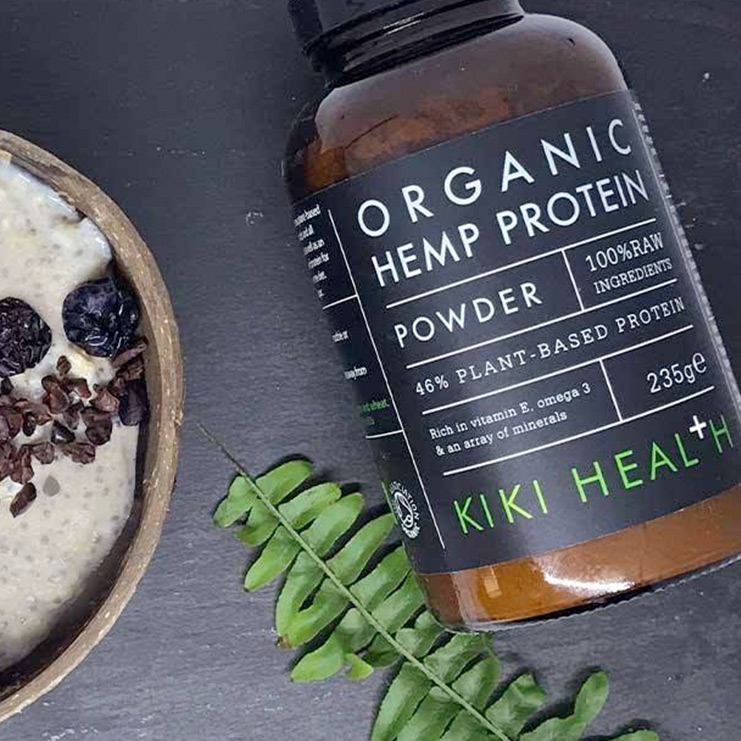
HEMP - (52g per 100g)
Hemp protein provides all 21 essential amino acids and 8 essential fatty acids, including omega-3 and omega-6, in a balanced ratio. These fatty acids are important for cardiovascular health, brain function, and reducing inflammation. It contains a significant amount of protein as well as vitamin E, potassium, magnesium, iron, and zinc. Rich in fiber and easily digestible, it helps regulate bowel movements.
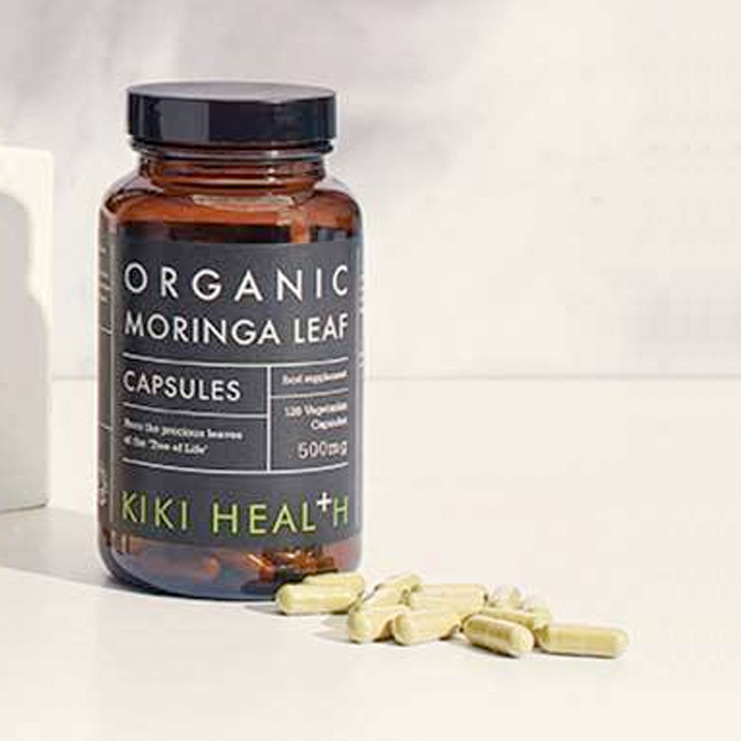
MORINGA - (27g per 100g)
Moringa is a plant known for its numerous nutritional benefits. It contains all the essential amino acids, making it a complete protein source. In addition to protein, moringa is a source of many other essential nutrients, including vitamins (such as vitamin C, vitamin A, and vitamin K), minerals (such as iron, calcium, and potassium), and antioxidants. This makes it a potentially beneficial superfood for overall health.
A SIMPLE AND DELICIOUS RECIPE
• 4 frozen bananas
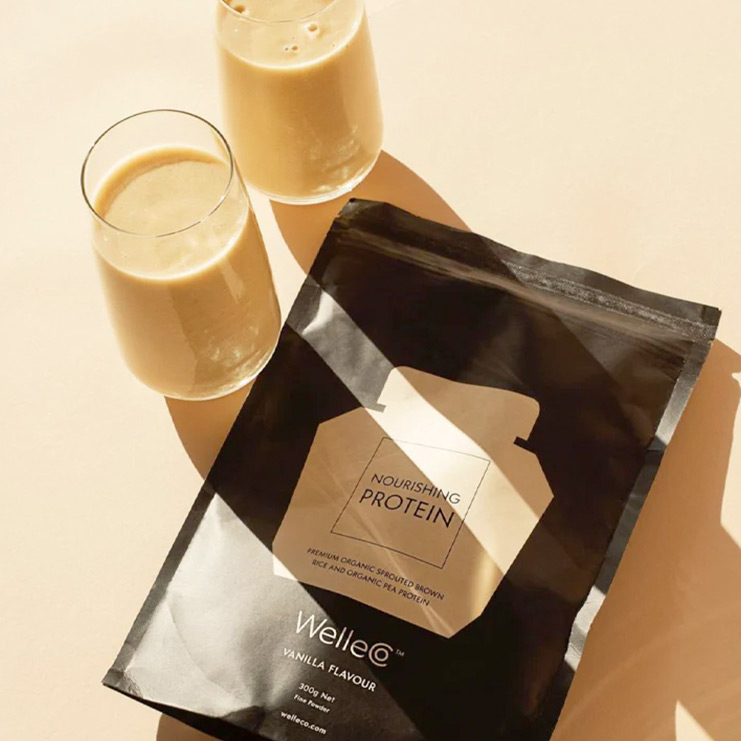
• 1 dose of Nourishing Protein Vanilla - WELLECO
• 125ml of plant-based milk of your choice
• 1 heaping tablespoon of peanut butter
Blend all the ingredients in a blender. Grate two squares of dark chocolate over the resulting ice cream.
It's important to note that protein requirements vary from person to person depending on age, sex, level of physical activity, and other factors. It's recommended to consume an adequate amount of protein in your daily diet to meet these needs and maintain good health. This is generally calculated by multiplying your weight by 1.6.
It is reasonable to vary your protein sources to ensure you get all the necessary amino acids.