A BEAUTY ROUTINE FOCUSED ON REPAIRING AND REGENERING THE EPIDERMIS FOR RADIANT, HYDRATED AND PLUMP SKIN.
The sun is both our best friend and our worst enemy. Essential for our vitamin D production and our mood, moderate sun exposure is good for us. But UV rays are also the primary cause of premature skin aging and numerous skin damages, often invisible at first but which become apparent over time.
The numbers speak for themselves: the sun destroys 80% of our skin's collagen, the essential protein that keeps our skin firm and supple. It causes stubborn brown spots by disrupting melanin production. It deeply dehydrates the skin, impairing its elasticity and its ability to defend itself. And contrary to popular belief, it worsens acne, creating a dreaded rebound effect in the fall.
Understanding these mechanisms is essential for better protecting your skin and, above all, for knowing how to repair the damage already done. In this guide, we detail the main types of damage caused by the sun, we decipher the paradox of sun exposure and acne, and we give you a complete protocol for preventing, treating, and repairing your skin permanently after sun exposure.
Because it's never too late to take care of your skin.
UNDERSTANDING THE EFFECTS OF THE SUN ON THE SKIN
COLLAGEN DEGRADATION
The sun is responsible for 80% of collagen destruction in our skin. When UV rays penetrate the epidermis, they trigger the production of enzymes called matrix metalloproteinases (MMPs) that literally break down collagen and elastin fibers. These structural proteins are essential: collagen maintains the skin's firmness and elasticity, while elastin ensures its suppleness and ability to return to its original shape.
This degradation process, called photoaging, is insidious. Unlike natural aging, which follows the biological rhythm, photoaging is accelerated and cumulative. Every exposure to the sun, even a brief one, adds its share of damage. Visible signs appear gradually: deep wrinkles, loss of firmness, sagging facial contours, and uneven skin texture. But the process begins with the very first exposure, long before these signs become visible.
How to prevent and repair collagen loss
The good news is that it is possible to act both preventively and repairing through a combined strategy: daily sun protection, topical collagen-boosting actives, and internal supplementation.
VITAMIN C
Apply a vitamin C serum every morning before your SPF. This powerful antioxidant works on two fronts: it neutralizes free radicals generated by UV rays and directly stimulates collagen production by fibroblasts. Vitamin C repairs damaged cells while protecting healthy ones.
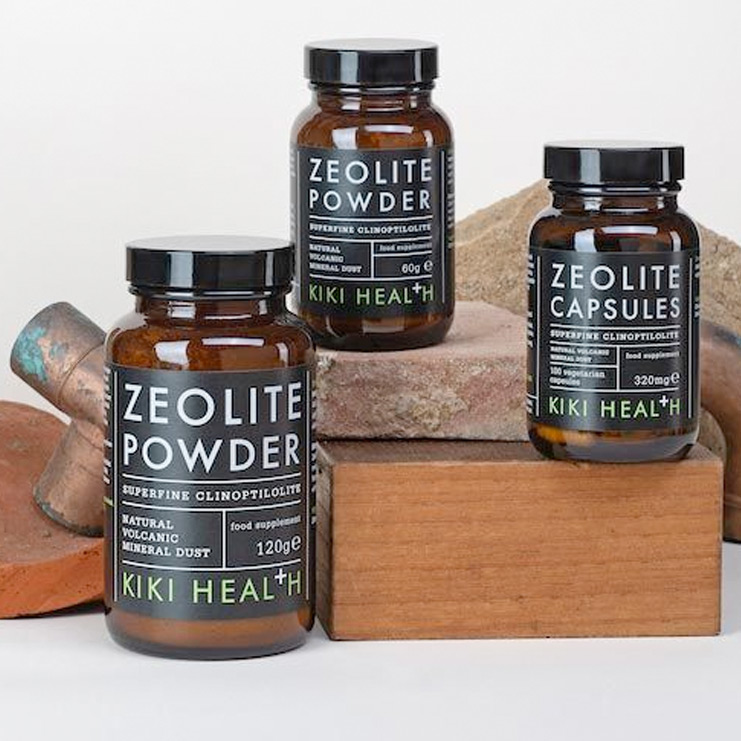
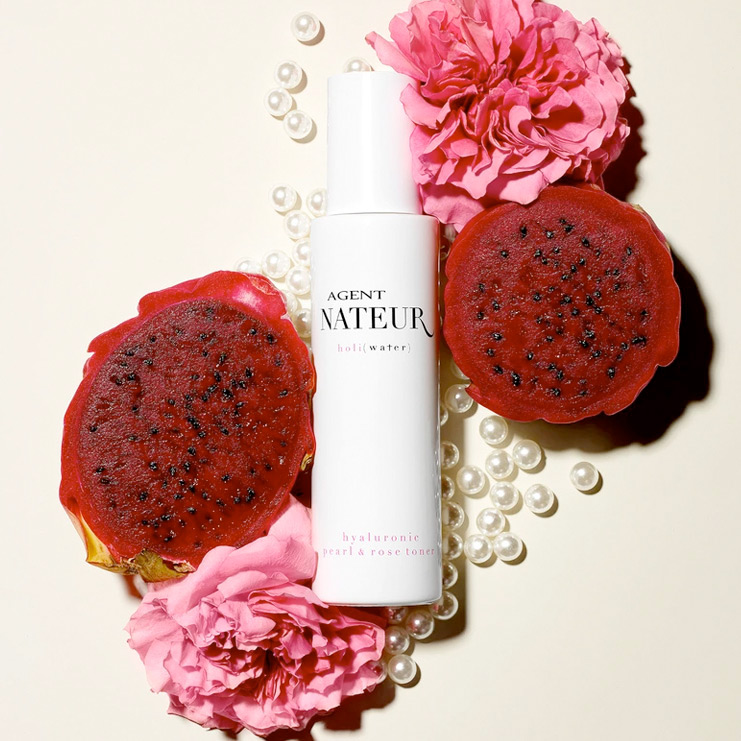
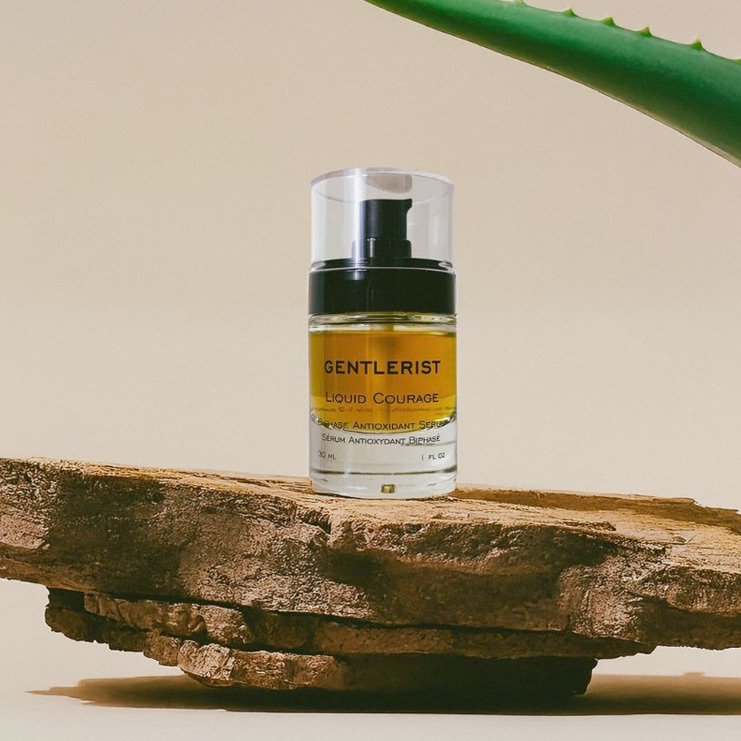
On the skin, in the morning, Holi (C) - AGENT NATEUR , combined with an antioxidant serum that repairs and protects cells, Liquid Courage - GENTLERIST . Internally, by consuming dietary supplements based on vitamin C , Camu Camu - KIKI HEALTH , or collagen , Marine Collagen Beauty Blend - KIKI HEALTH.
PLANT-BASED RETINOL
Retinol is the most scientifically documented anti-aging ingredient. It accelerates cell renewal and boosts collagen synthesis deep within the skin. Unlike synthetic retinol, which is often irritating, plant-based retinol (retinoic acid derived from plants) can be applied every night without risk of sensitization. It is effective not only on collagen loss but also on the appearance of sunspots.
MARINE COLLAGEN
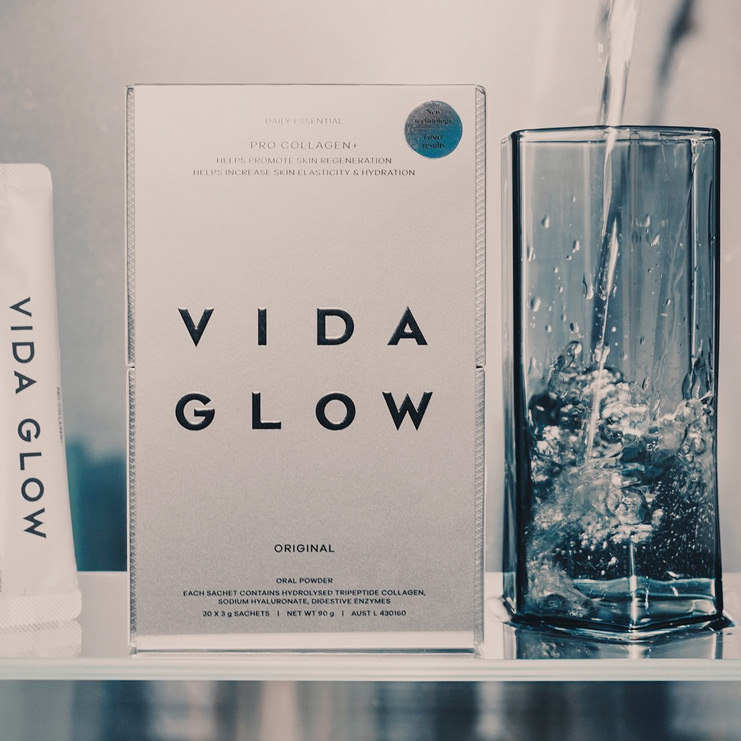
From the age of 25, our natural collagen production decreases by about 1% per year. This loss accelerates with sun exposure. Supplementing with marine collagen helps compensate for this decline and nourishes the skin from within.
Bioavailable marine collagen stimulates the production of new skin cells and helps repair damage caused by UV rays. By increasing collagen density in the dermis, it visibly reduces the appearance of wrinkles and fine lines caused by photoaging. Bonus: it also improves deep skin hydration and strengthens its protective barrier, often weakened by the sun.
APPEARANCE OF BROWN SPOTS
Why the sun causes pigmentation spots:
The sun is one of the main causes of brown spots, also known as pigment spots or solar lentigines. This phenomenon results from a natural defense mechanism of the skin against the harmful effects of UV rays.
When your skin is exposed to the sun, it immediately triggers a protective reaction: melanocytes, specialized cells located in the epidermis, begin to produce large quantities of melanin. This natural pigment migrates to the skin's surface to create a shield against UV rays, which is what gives us our tan. Melanin absorbs UV rays before they penetrate too deeply and damage the cells' DNA.
But sometimes, this defense system goes haywire. After repeated sun exposure or sunburn, some melanocytes become hyperactive and continue to produce melanin erratically and in localized areas, even without sun exposure. The melanin then accumulates unevenly, creating hyperpigmented patches: the infamous brown spots. These spots generally appear on the areas most exposed to the sun: face, chest, hands, and shoulders.
The problem worsens with age because cell renewal slows down, allowing these melanin clusters to persist longer on the skin's surface. The spots then become more visible, darker, and more difficult to fade.
How to prevent and treat age spots:
Pigmentation spots are one of the most delicate problems to treat because they are often deeply embedded in the epidermis. The most effective strategy combines rigorous prevention and targeted treatment with powerful brightening agents .
PREVENTION: THE GOLDEN RULE
SPF is absolutely essential if you want to prevent new spots from appearing or stop existing ones from darkening further. UV rays constantly reactivate melanin production, even through clouds or windows. Apply at least SPF 30 every day of the year, and reapply every 2 hours during prolonged sun exposure.
TOPICAL TREATMENT: THE BRIGHTENING ACTIVE INGREDIENTS
Vitamin C
Vitamin C is your best ally against dark spots. It works on several levels: it inhibits tyrosinase, the enzyme responsible for melanin production, thus slowing the formation of new spots. Simultaneously, it gradually lightens existing spots by dispersing concentrated melanin clusters. Its antioxidant action also protects your skin from oxidative stress caused by UV rays, which worsens hyperpigmentation.
Apply your vitamin C serum every morning to clean skin, before your moisturizer and SPF. Consistency is key: allow at least 8 to 12 weeks of daily use to see visible fading of dark spots.
As a dietary supplement: Radiance+ - VIDA GLOW
See our article: PIGMENTATION SPOTS
DEHYDRATION
Why the sun deeply dehydrates the skin
First, heat accelerates the evaporation of water from the skin's surface layers, a phenomenon known as insensible water loss (IWL). The hotter it is, the more this evaporation intensifies, leaving skin dehydrated and uncomfortable. UV rays worsen this process by damaging the hydrolipidic film, the thin protective layer composed of sebum and sweat that naturally maintains skin hydration. When this barrier is compromised, water escapes even more rapidly.
But the problem goes further: UV rays also damage the deep structures that retain water in the skin. In particular, they degrade hyaluronic acid, a molecule naturally present in the dermis and capable of retaining up to 1,000 times its weight in water. Without it, the skin loses its ability to maintain its internal hydration. Collagen and elastin fibers, also affected, can no longer perform their role as a hydrating matrix.
The result? Skin that feels tight, lacks suppleness, develops dehydration lines (different from wrinkles caused by aging), and loses its radiance. Dehydration leads to a loss of tissue elasticity: the skin becomes less plump, less firm, and has more difficulty regaining its shape after being stretched. It appears dull, tired, and sometimes even rough to the touch.
Not to be confused with dry skin (which lacks lipids), dehydrated skin lacks water. All skin types can be dehydrated, even oily skin. And paradoxically, dehydrated oily skin can produce even more sebum to try to compensate for this lack of water, worsening discomfort and blemishes.
How to prevent and treat dehydration
Rehydrating sun-dried skin requires a comprehensive approach: internal hydration, ultra-hydrating topical treatments, and protection of the skin barrier to prevent water from escaping.
This is fundamental, yet often overlooked: well-hydrated skin starts with hydration from within. Drink at least 1.5 to 2 liters of water per day, more in summer or during physical activity. It takes several hours for the water you drink to reach the deeper layers of the skin, which is why it's important to drink regularly throughout the day rather than large amounts all at once.
TOPICAL HYDRATION: THE KEY ACTIVE INGREDIENTS
Hyaluronic Acid
Hyaluronic acid is the most powerful hydrating molecule in cosmetics. This substance, naturally present in our skin, attracts water like a magnet and retains it in the tissues. Applied to the surface via a toner or serum, it captures moisture from the air and fixes it in the epidermis, creating an immediate and lasting plumping effect.
The secret? Apply hyaluronic acid to slightly damp skin (right after cleansing or after spritzing on a toner), then seal in the moisture with a cream or oil. Without this final occlusive step, hyaluronic acid can actually dehydrate the skin by drawing water from the deeper layers if the surrounding air is too dry.
Hydrating Toners
Hyaluronic acid-rich toners are your best allies for intense rehydration after sun exposure. Apply generously morning and evening, and even several times a day in cases of severe dehydration. You can also use the "sandwich" technique: apply a first layer of toner, your serum, then another layer of toner before your cream. Each layer locks in the moisture from the previous one, multiplying the effectiveness.
Always finish your routine with a cream or balm that will seal in all the moisture provided by the previous layers. This occlusive step is crucial: it prevents water from evaporating and keeps skin hydrated for hours.
After sun exposure, opt for textures rich in ceramides and essential fatty acids that will simultaneously hydrate and repair the damaged skin barrier.
See our dossier: DEHYDRATED SKIN
THE VICIOUS SUN-ACNE CYCLE
WHY DOES THE SUN PROMOTE ACNE?
Sun exposure promotes skin thickening and damage to the skin barrier. This thickening clogs pores, preventing sebum from being released. The weakened skin barrier also hinders the skin's ability to defend itself against bacteria, particularly those responsible for acne. This can lead to blackheads or microcysts, which may develop into inflammatory lesions.
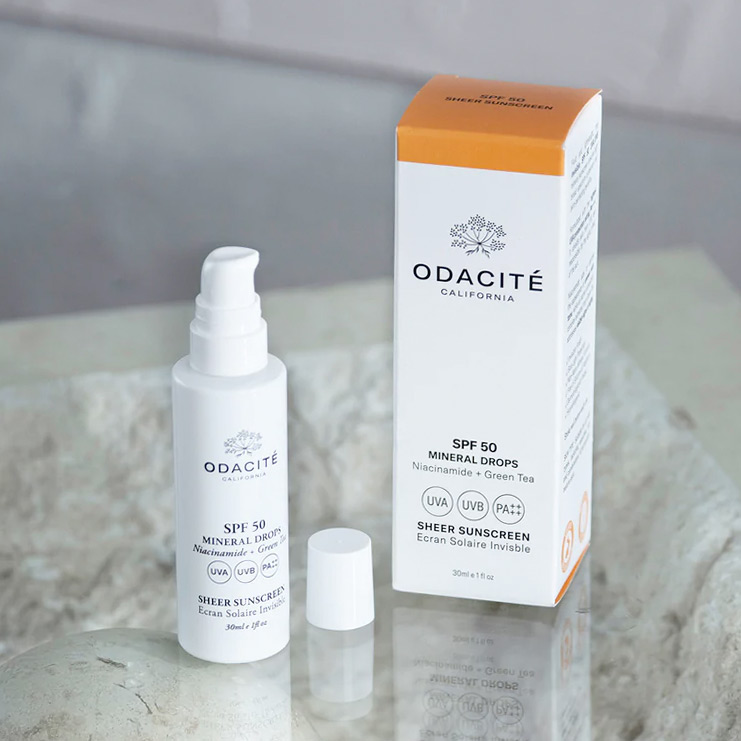
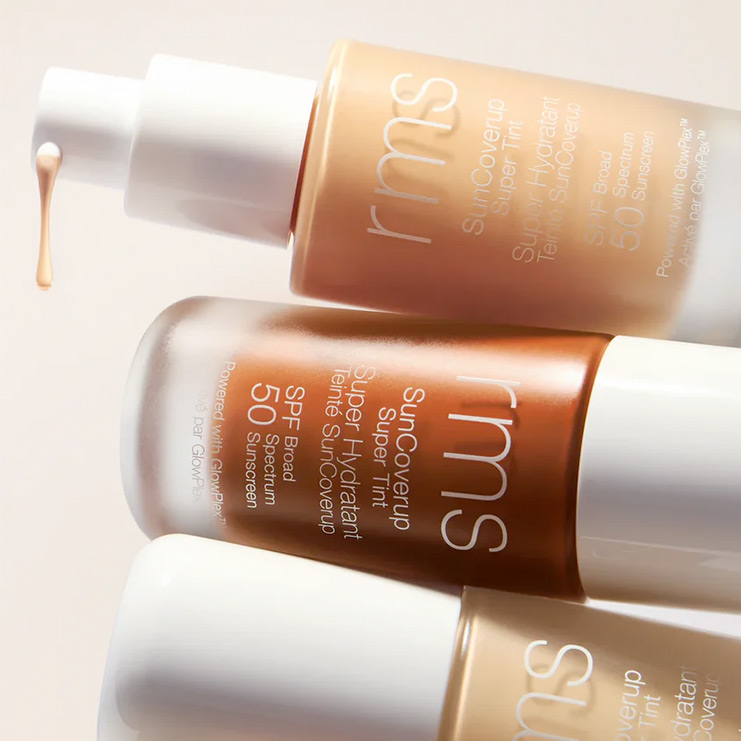
To avoid this post-vacation "rebound" effect, the best prevention is to use sunscreen suited to your skin type. This will protect your skin from the harmful effects of the sun and the oxidative stress it causes. It will also reduce the risk of hyperpigmentation or scarring.
- Mineral Drops - Transparent Sunscreen SPF 50 - ODACITY
- SunCoverup Super Tint Broad Spectrum SPF 50 Sunscreen - RMS BEAUTY
With the holidays over, we resume a regular routine, starting with...
KEEP YOUR SKIN WELL-HYDRATED WITH RESTORATIVE SKINCARE
Continue to moisturize your skin well with suitable products, as even acne-prone and oily skin needs hydration. Skipping day cream if you have oily skin will cause your sebaceous glands to overproduce sebum to compensate for the lack of moisture. Oily skin benefits greatly from using a non-comedogenic moisturizer to maintain skin hydration.
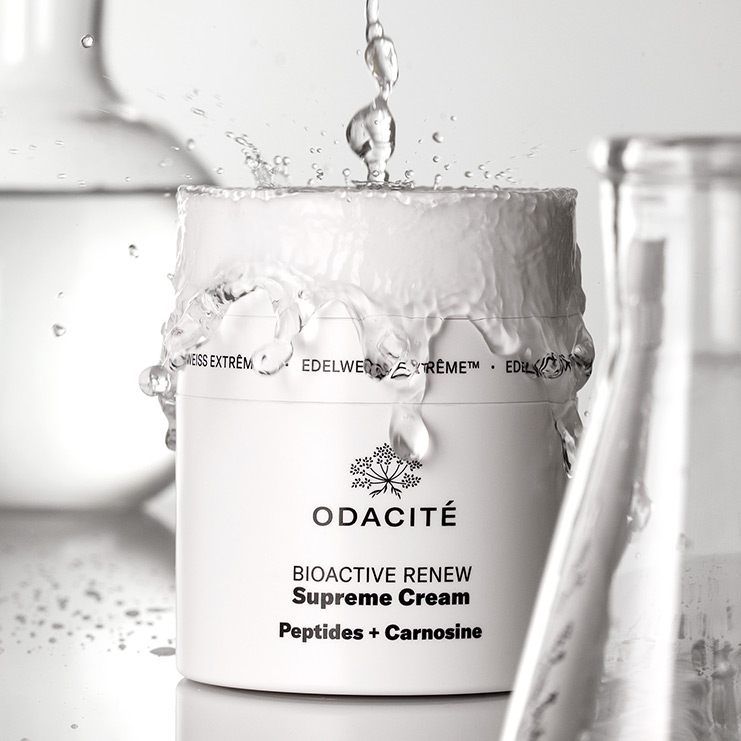
We favor skincare products based on ceramides, which rebuild the skin barrier that may have been damaged by sun exposure. A damaged skin barrier is an open invitation to bacteria!
- Holi (Water) Cream - NATEUR AGENT
- Bioactive Renew Supreme Cream with Edelweiss - ODACITÉ
DO NOT PUNCTURE YOUR BUTTONS!
At the risk of causing more extensive scarring and infections.
CLEAN YOUR SKIN THOROUGHLY
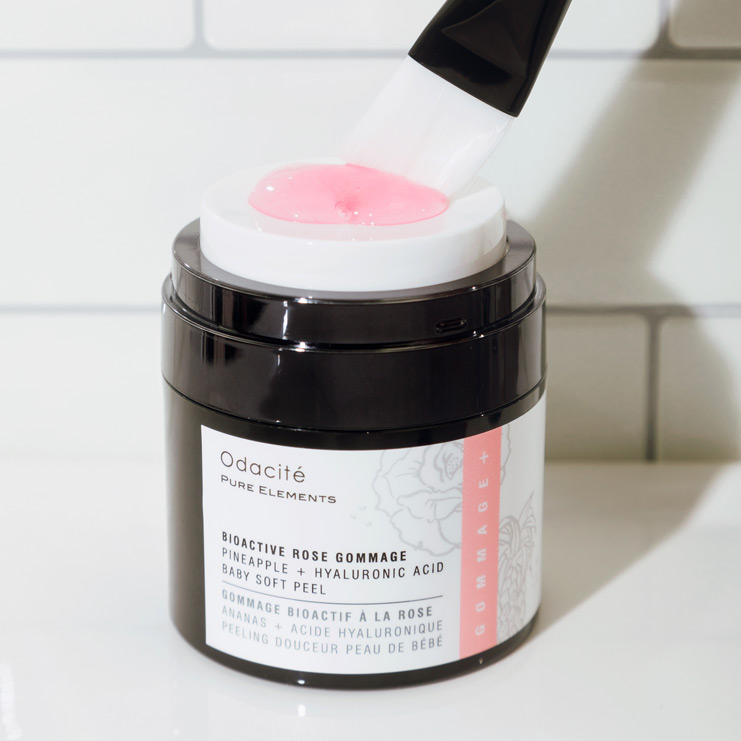
Cleanse your skin morning and evening with soothing products to remove excess sebum and impurities. Then, exfoliate once a week to cleanse pores and prevent the formation of new pimples or milia.
PERFORM LED SESSIONS
It's one of the best solutions for acne! Known for its soothing and restorative effects, LED photomodulation technology treats acne deep down and painlessly. It visibly reduces blemishes and acne scars.
AVOID APPLYING MAKEUP TO YOUR SKIN
When applying makeup, choose suitable non-comedogenic and hypoallergenic products.
MONITOR YOUR DIET
We reduce our intake of dairy products and simple sugars found in sodas and sweets. We decrease our consumption of chocolate, whose direct effects on increasing sebum production are now proven. We also limit all saturated fats present in processed meats and sauces.
WE'RE DOING A ZINC TREATMENT AND GETTING RID OF THE TOXINS
Zinc acts on the bacteria responsible for the formation of blemishes while limiting inflammation and regulating sebum production.