IT IS POSSIBLE TO ADOPT AN IN & OUT ROUTINE TO PRESERVE YOUNG AND RADIANT SKIN FOR AS LONG AS POSSIBLE
Skin aging is a natural and inevitable process that affects the appearance and texture of our skin over the years. While environmental factors, such as sun exposure and pollution, play a significant role in this process, the impact of our genetic makeup must also be considered. And although we cannot change our genetics, we will see how, with a good indoor and outdoor skincare routine, it is possible to maintain healthy, radiant skin for as long as possible.
GENETIC FACTORS OF SKIN AGING
Our genetic makeup greatly influences how our skin ages. Some people are naturally predisposed to having thicker, more elastic, and better-hydrated skin, allowing them to maintain a youthful appearance for longer. Others, however, have thinner, more fragile skin that is more prone to signs of premature aging. Several genetic factors play a role in skin aging:
THE STRUCTURE AND FUNCTION OF COLLAGEN AND ELASTIN FIBERS
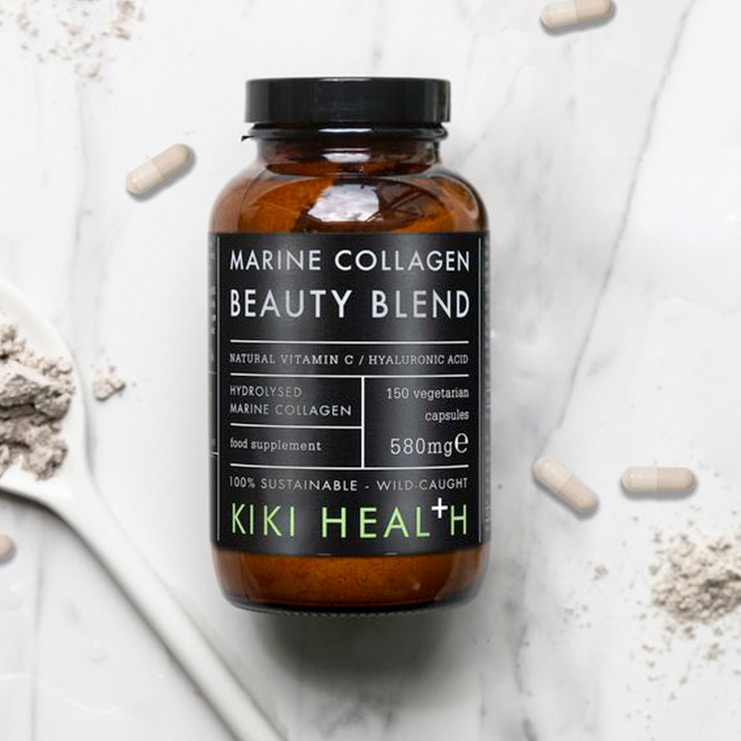
Collagen and elastin are essential proteins for skin firmness and elasticity. Some people have genes that produce stronger collagen and elastin fibers, giving them younger-looking, toned skin.
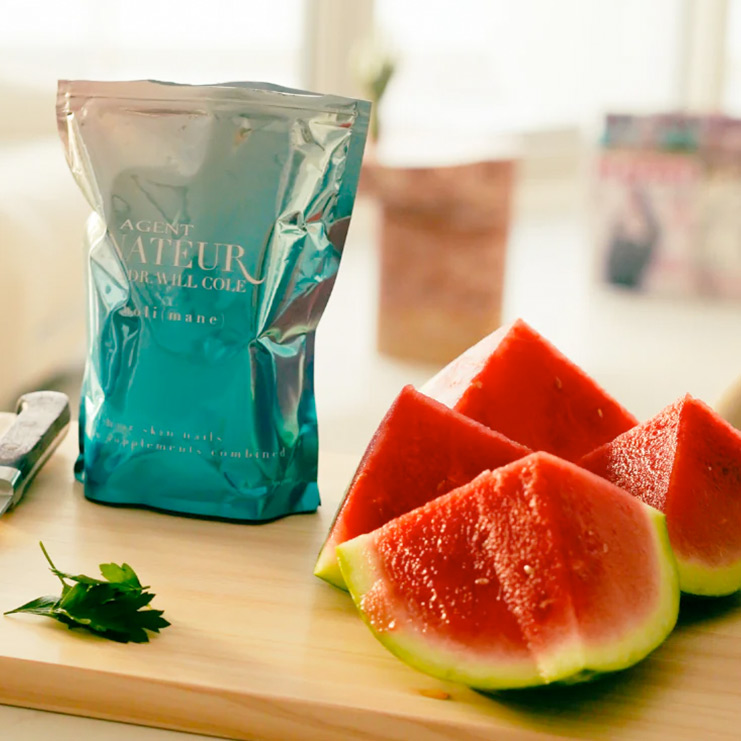
The solution: It is now proven that collagen supplementation helps promote skin elasticity and hydration. Wrinkles are reduced, and skin is firmer and more radiant.
THE SKIN'S CAPACITY TO REGENERATE
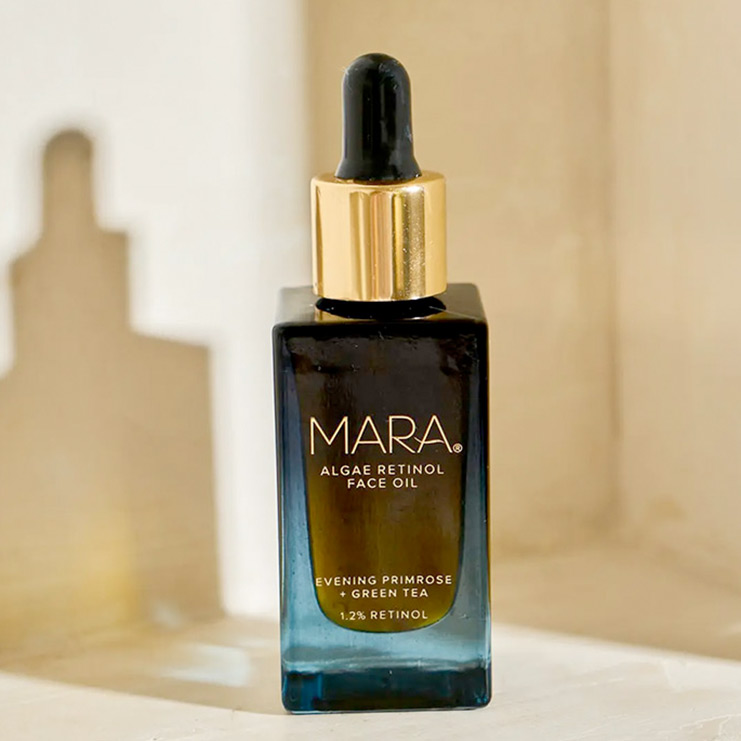
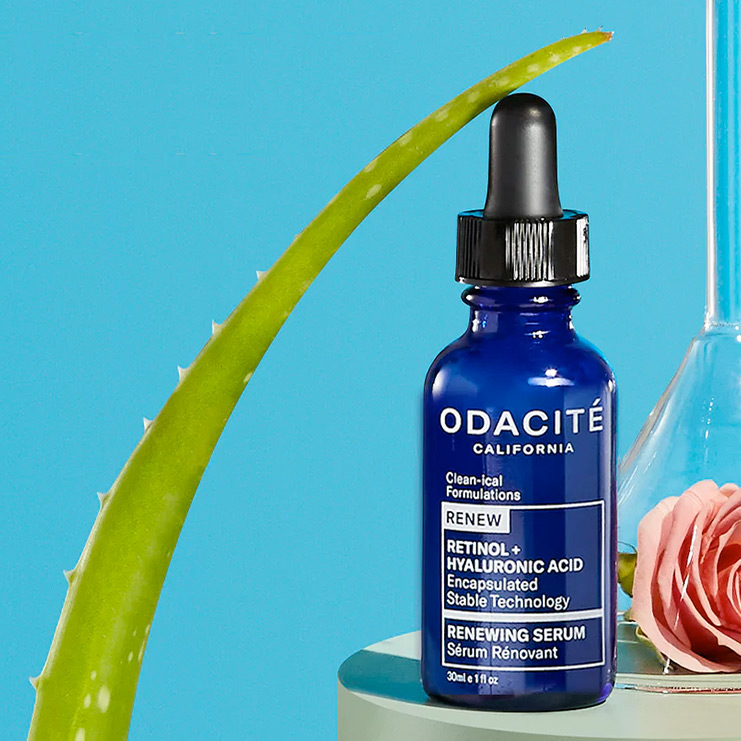
The speed at which our skin renews itself and repairs damage caused by environmental factors is also determined by our genetic makeup. Skin that regenerates quickly and efficiently will show fewer signs of aging.
The solution: Retinol helps increase the skin's ability to renew itself more quickly overnight, making way for new cells. Retinol is an essential anti-aging ingredient for smooth, radiant skin.
ENVIRONMENTAL FACTORS OF SKIN AGING
While genetics plays a significant role in skin aging, it's crucial not to underestimate the impact of environmental factors on our skin's appearance and health. Key environmental factors contributing to skin aging include:
SUN EXPOSURE
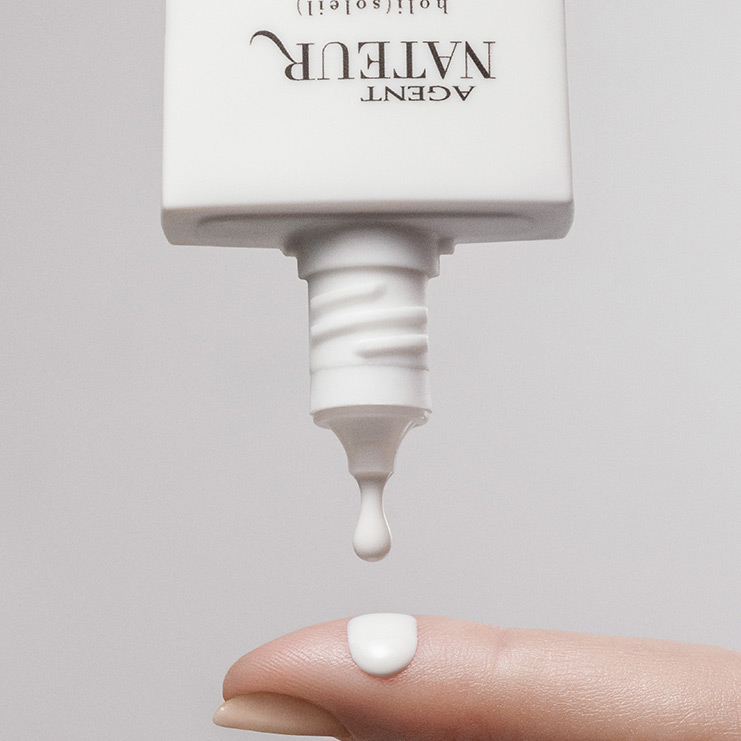
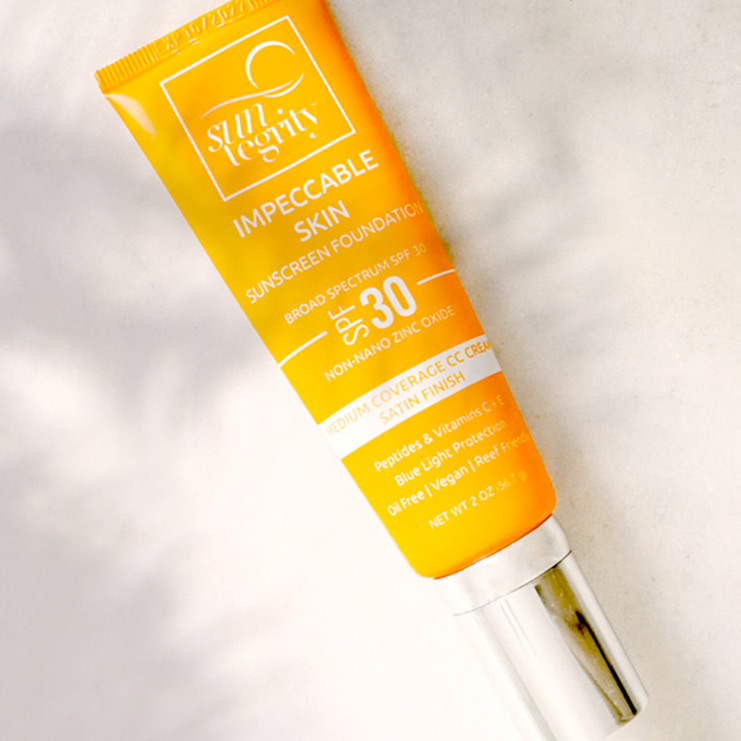
The sun's UV rays are one of the main causes of premature skin aging. They damage collagen and elastin fibers, cause age spots, and increase the risk of skin cancer. Protecting yourself from UV rays is the best anti-aging protection.
The solution: Apply a broad-spectrum sunscreen with a high protection factor (SPF 30 minimum) daily.
POLLUTION
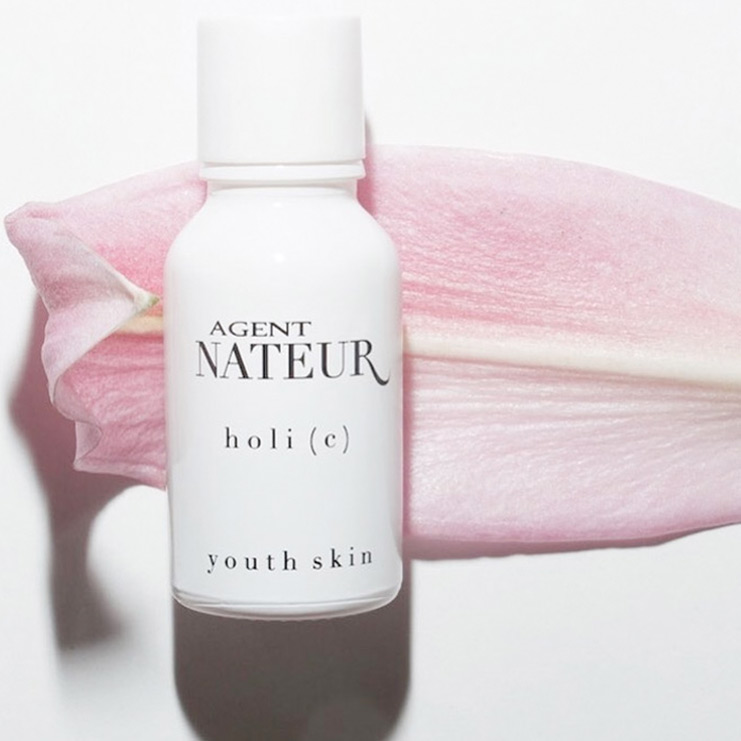
Polluting particles in the air can penetrate the skin and cause oxidative damage, which accelerates the skin aging process.
The solution: In the morning, apply a vitamin C treatment, a powerful antioxidant, to prevent oxidative damage caused by pollution and protect your skin during the day.
STRESS
Chronic stress can negatively impact our skin health by disrupting hormonal balance and causing skin inflammation.
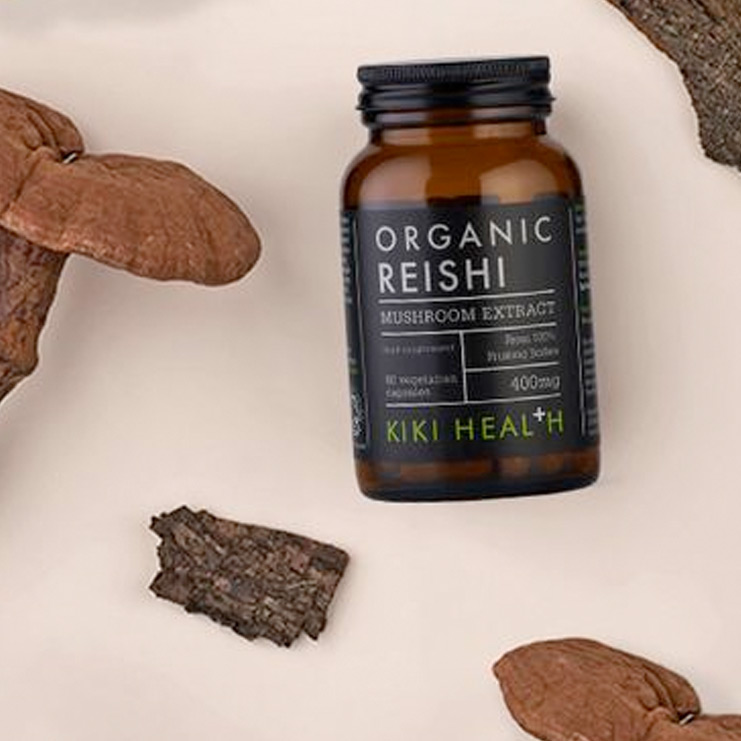
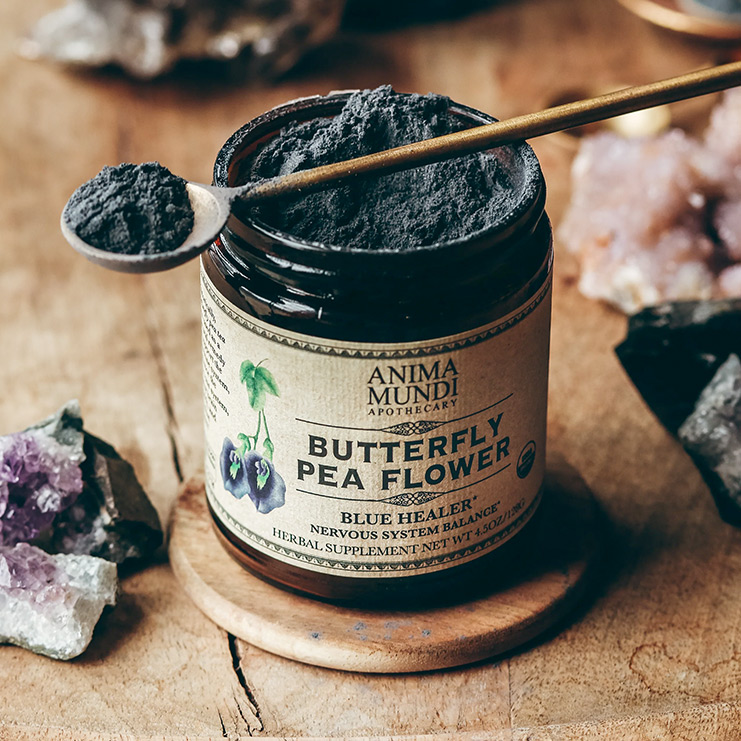
The solution: Complement your beauty routine with a supplement that will help you prevent and combat stress while strengthening your immune system.